A new way to rejuvenate the immune system
Stimulating the liver to generate signals normally produced by the thymus can reverse age-related declines in T-cell populations.
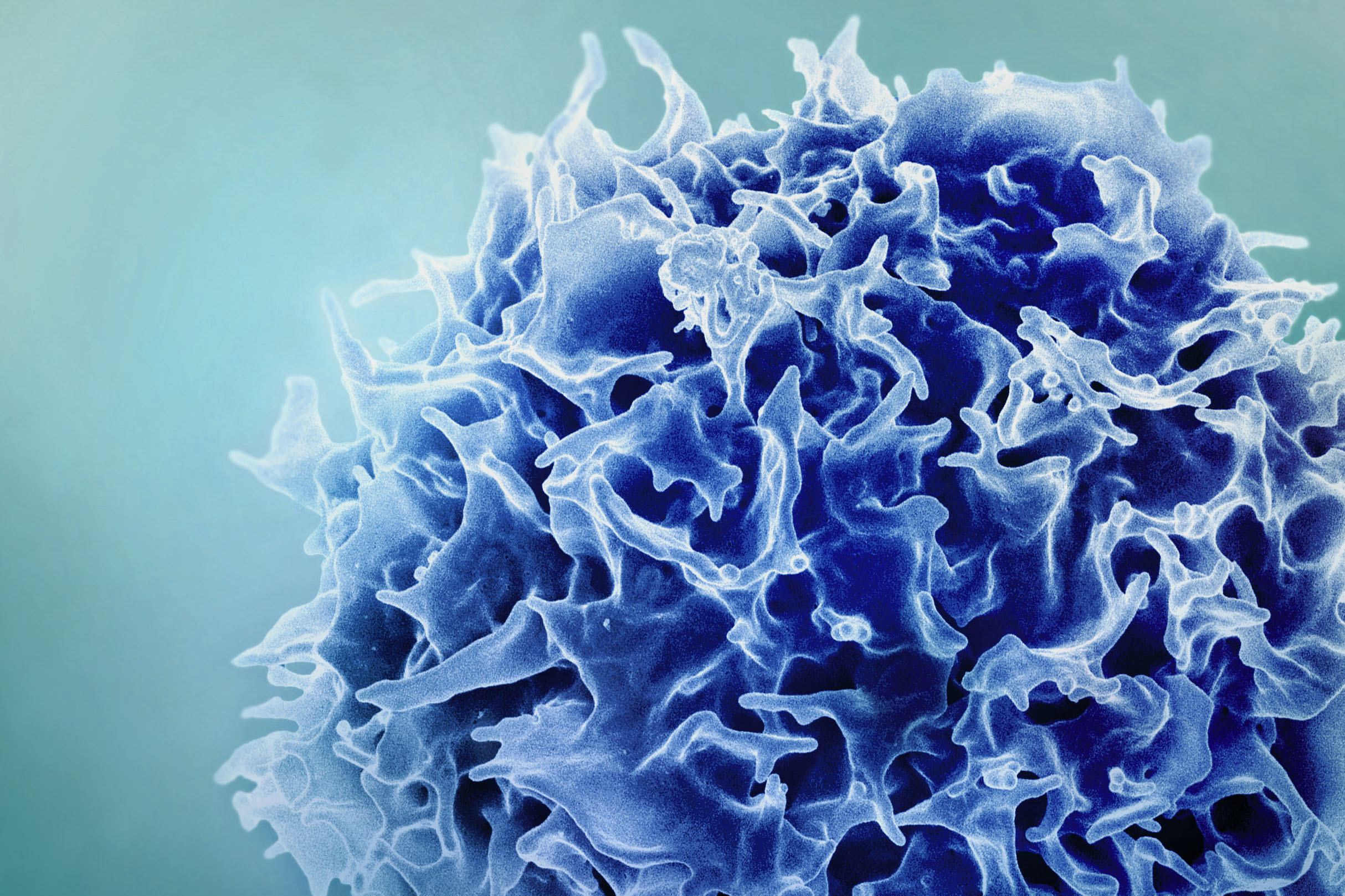
As people age, their immune function weakens. Owing to shrinkage of the thymus, where T cells normally mature and diversify, populations of these immune cells become smaller and can’t react to pathogens as quickly. But researchers at MIT and the Broad Institute have now found a way to overcome that decline by temporarily programming cells in the liver to improve T-cell function.
To create a “factory” for the T-cell-stimulating signals that are normally produced by the thymus, the researchers identified three key factors that usually promote T cells’ maturation and encoded them into mRNA sequences that could be delivered by lipid nanoparticles. When injected into the bloodstream, these particles accumulate in the liver and the mRNA is taken up by the organ’s main cells, hepatocytes, which begin to manufacture the proteins encoded by the mRNA.
Aged mice that received the treatment showed much larger and more diverse T-cell populations in response to vaccination, and they also responded better to cancer immunotherapy treatments.
If this type of treatment is developed for human use, says Professor Feng Zhang, the senior author of a paper on the work, “hopefully we can help people stay free of disease for a longer span of their life.”
Keep Reading
Most Popular
10 Things That Matter in AI Right Now
MIT Technology Review's authoritative overview of the 10 technologies, emerging trends, bold ideas, and powerful movements in AI in 2026.
A new US phone network for Christians aims to block porn and gender-related content
Launching next week on T-Mobile's network, the cell plan takes a nuclear approach to online safety.
Musk v. Altman week 1: Elon Musk says he was duped, warns AI could kill us all, and admits that xAI distills OpenAI’s models
Musk kept his cool, and OpenAI’s lawyer bulldozed him with piercing questions about his motivations for suing the company.
China has approved the world’s first invasive brain-computer chip—here’s what’s next
The country wants to become a global leader in brain implants. Strong government support is expected to help accelerate that process.
Stay connected
Get the latest updates from
MIT Technology Review
Discover special offers, top stories, upcoming events, and more.